
Early Language & Late Talkers
Helping toddlers and young children find their words. Early intervention during critical developmental windows leads to the best outcomes. Don't wait and see when you can act and help.
Schedule Free Consultation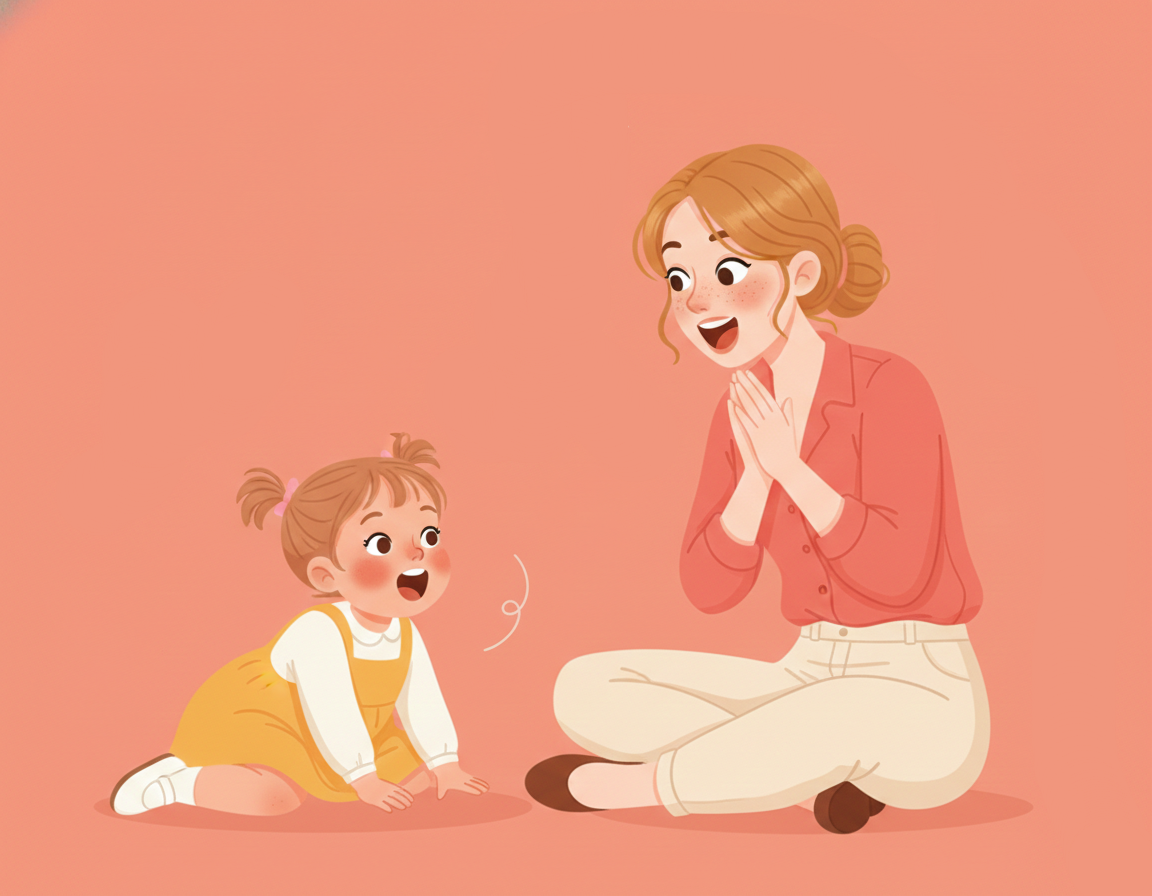
Speech & Language Milestones
While every child develops at their own pace, these are the typical milestones we look for. Significant delays benefit from early intervention.
First words like "mama," "dada," or "uh-oh"
At least 10 words; points to show interest
50+ words; combining two words together
1,000+ words; 3-4 word sentences
Understanding Early Language Delays
Early language delays occur when children aren't meeting expected milestones for talking, understanding language, or communicating. The term "late talker" typically refers to toddlers who have good understanding but limited expressive vocabulary.
Research consistently shows that early intervention leads to better outcomes. The brain is most plastic during the first three years of life, making this a critical window for language development.
While some late talkers do catch up on their own, many don't. We can't predict which children will. Early intervention provides support during the most critical period regardless of outcome.
Don't Wait and See
If your child has fewer words than expected, isn't combining words by age 2, or seems to understand less than peers, request an evaluation. Early intervention is never wasted.
Signs Your Child May Need Support
- Using fewer words than expected for age (see milestones)
- Not combining words by 24 months ("want cookie," "daddy go")
- Relying mostly on gestures, pointing, or crying to communicate
- Not imitating sounds, words, or actions
- Limited babbling variety as an infant
- Difficulty following simple directions ("Give me the ball")
- Frustration when trying to communicate needs
- Limited interest in books or nursery rhymes
- Not responding to their name by 12 months
- Loss of previously acquired words (warrants immediate evaluation)
Our Evidence-Based Approach
We use research-backed strategies proven effective for early language development. Parents are partners in therapy, not spectators.
Play-Based Therapy
Children learn language through meaningful play. We create motivating situations that naturally encourage communication attempts.
Parent Coaching
You are your child's most important teacher. We train you in evidence-based strategies to use throughout daily routines.
Responsive Interaction
Following your child's lead, responding to their interests, and expanding their attempts into richer language.
How Early Intervention Helps
Through play-based therapy and parent coaching, we build the skills your child needs for successful communication.
What to Expect
Our process is designed to quickly identify your child's needs and begin building skills. Parent involvement is key to success.
Comprehensive Evaluation
We assess receptive language, expressive language, play skills, and social communication.
Parent Interview
Your observations matter. We gather detailed information about communication at home.
Individualized Goals
Based on evaluation results and your input, we develop specific, measurable goals.
Therapy Sessions
Engaging, play-based sessions where your child practices communication.
Home Strategies
After each session, you receive specific strategies to implement during everyday routines.
Progress Monitoring
Regular data collection shows how skills are developing. We adjust as needed.
Concerned About Your Child's Language?
Schedule a free consultation to discuss your concerns. We'll help you understand whether an evaluation is the right next step and what early intervention could look like for your family.
Schedule Free Consultation