
Articulation & Speech Sounds
Helping children speak clearly and confidently. When speech is hard to understand, it affects communication, social connections, and self-esteem. We help children master the sounds they need.
Schedule Free Consultation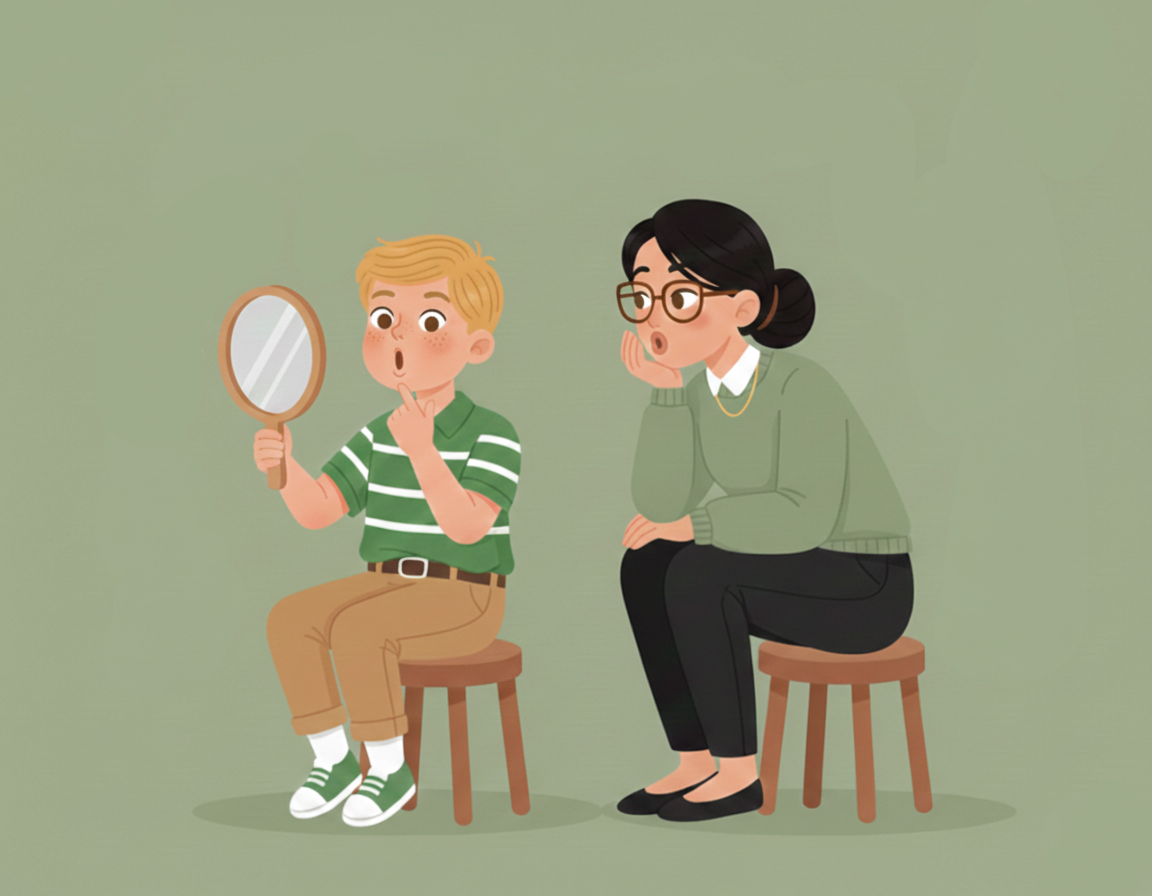
Types of Speech Sound Errors
Articulation errors generally fall into three categories. Understanding the type of error helps us choose the most effective treatment approach.
Substitutions
Replacing one sound with another sound.
Omissions
Leaving sounds out of words entirely.
Distortions
Producing sounds in an atypical way.
Understanding Articulation Disorders
Articulation refers to the physical production of speech sounds: how we coordinate our lips, tongue, teeth, palate, and jaw to make the sounds of our language. When children have difficulty producing certain sounds correctly, their speech can be hard to understand.
Some sound errors are developmentally appropriate. A 3-year-old saying "wabbit" instead of "rabbit" is normal because "r" is a later-developing sound. But a 7-year-old with the same error may need intervention.
Other errors, like lisps, are never developmentally typical and benefit from treatment at any age. An evaluation helps determine whether errors are expected for your child's age or warrant intervention.
Signs Your Child May Benefit
- Speech is difficult for unfamiliar listeners to understand
- Substituting sounds (saying "wabbit" instead of "rabbit")
- Leaving sounds off the beginning or end of words
- Having a lisp on "s," "z," or other sounds
- Sound errors that persist past the expected age
- Frustration or embarrassment when speaking
- Avoiding speaking in certain situations
- Previous speech therapy without expected progress
- Speech errors that seem "stuck" and not improving
- Teachers, family, or pediatrician expressing concern
When Sounds Typically Develop
These ages indicate when most children have mastered each sound. Errors persisting past these ages may warrant evaluation.
Note: These are general guidelines. Individual variation is normal, and dialect differences should be considered.
How Articulation Therapy Helps
Through systematic practice with expert guidance, children learn to produce sounds correctly and use them automatically in everyday speech.
What to Expect from Therapy
Articulation therapy follows a systematic progression from learning to produce sounds correctly to using them automatically in conversation.
Speech Sound Assessment
We evaluate which sounds are affected, in which positions, and whether errors are consistent or variable.
Error Pattern Analysis
We determine whether errors are isolated articulation problems or part of broader phonological patterns.
Treatment Planning
Based on assessment, we select target sounds and determine the most effective approach.
Sound Elicitation
We teach correct production using phonetic placement, shaping from other sounds, or visual cues.
Systematic Practice
Once produced correctly, we practice systematically: isolation, syllables, words, phrases, sentences, conversation.
Generalization
The goal is automatic correct production in everyday speech through varied practice and self-monitoring.
Concerned About Your Child's Speech Clarity?
Schedule a free consultation to discuss your child's speech sounds. We'll help you understand whether an evaluation is needed and what therapy could achieve.
Schedule Free Consultation