
Autism Spectrum Support
Neurodiversity-affirming speech therapy that meets your child where they are. We focus on functional communication that serves your child's real needs, respecting their unique way of experiencing the world.
Schedule Free Consultation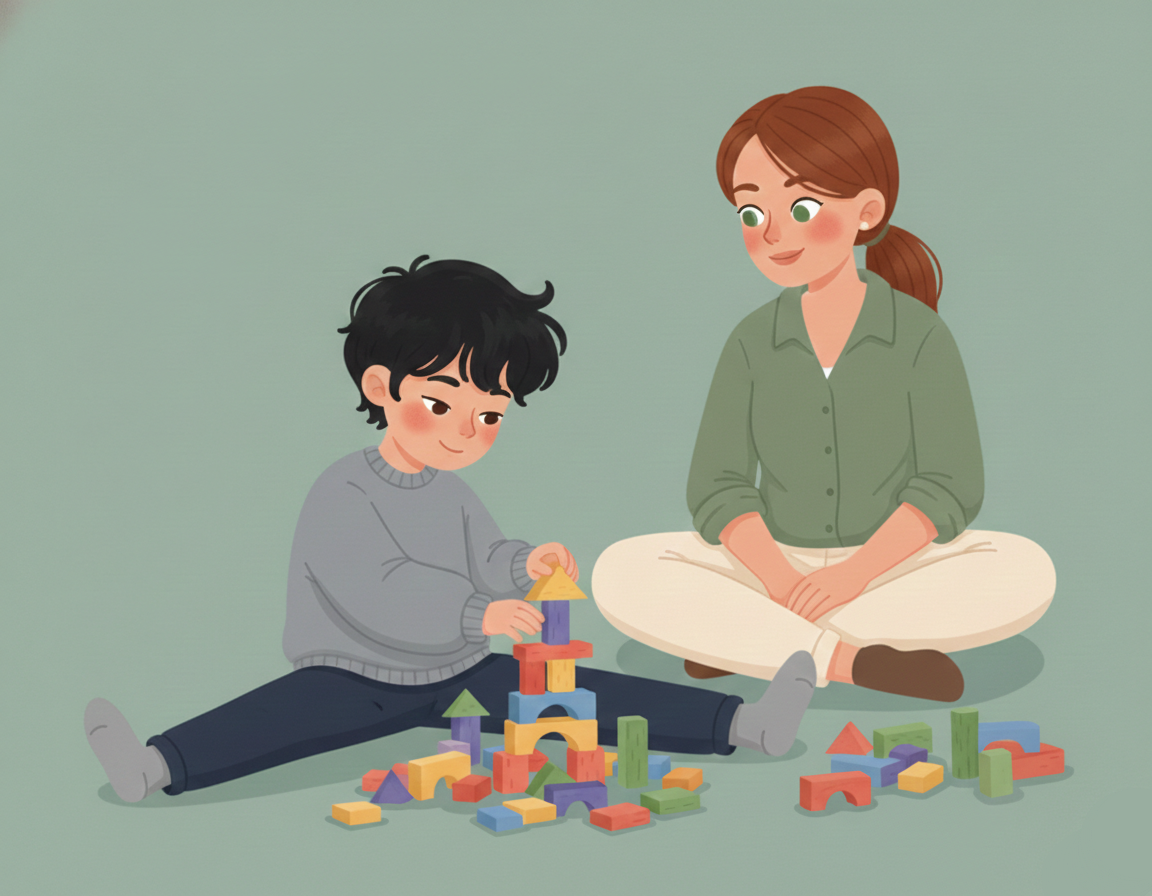
Our Neurodiversity-Affirming Approach
We believe autistic children deserve therapy that respects who they are, not therapy designed to make them appear "less autistic." Our goal is functional communication that helps your child get their needs met, build relationships, and navigate the world effectively.
We don't suppress stimming, force eye contact, or use compliance-based approaches. Instead, we follow your child's lead, honor their communication style, and build skills that genuinely help them, whether that's verbal speech, AAC, or a combination.
Every autistic child is different. Some are non-speaking; others are highly verbal but struggle with social communication. We meet each child where they are and help them grow from there.
Understanding Autism & Communication
Autism spectrum disorder affects communication in varied ways. Some autistic children have limited or no verbal speech; others speak fluently but struggle with the social aspects of communication. Many fall somewhere in between.
Communication challenges in autism may include delayed language development, difficulty with conversation, echolalia (repeating words or phrases), challenges with nonverbal communication, or difficulty using language socially.
We take a strengths-based approach, recognizing that autistic children have unique ways of communicating and learning. Rather than trying to make children communicate in a specific way, we find what works for each child and build from there.
Areas We Address
- Developing functional communication (verbal or AAC)
- Building joint attention and shared engagement
- Expanding vocabulary and language structure
- Supporting social communication at the child's level
- Addressing feeding challenges (common with autism)
- Integrating sensory needs into therapy approach
- Collaborating with families and other providers (OT, ABA)
- Building skills in the child's natural environments
How We Support Autistic Children
Our approach combines evidence-based practices with respect for neurodivergent identities and individual differences.
What to Expect
Therapy is individualized, child-led, and focused on meaningful communication that improves your child's quality of life.
Comprehensive Assessment
We evaluate all areas of communication: verbal skills, nonverbal communication, social interaction, play, and how your child currently gets their needs met.
Family Priorities
Your input shapes our goals. We want to know what communication skills would make the biggest difference in your child's daily life.
Individualized Goals
Goals are based on your child's current abilities, developmental trajectory, and what's meaningful. Not a one-size-fits-all approach.
Child-Led Sessions
We use your child's interests and motivations to create engaging sessions where they want to communicate. Following their lead builds connection.
AAC When Appropriate
If verbal speech isn't meeting communication needs, we implement AAC (picture systems, speech-generating devices) to give your child a voice.
Family Partnership
We work closely with you to ensure skills generalize to home and community. Parent coaching is central to our approach.
Looking for Autism-Affirming Therapy?
Schedule a free consultation to discuss your child's communication needs and learn about our neurodiversity-affirming approach.
Schedule Free Consultation